Know someone planning a yard project?
Choose the growing conditions, not just a month
For a flexible North Texas project, we suggest checking spring conditions first, with early fall as another option. Summer installation needs a dependable watering plan. Winter installation deserves a separate conversation about slower establishment and cold-weather risk.
Texas A&M’s Turfgrass Establishment for Texas lists sod as possible any time of year, with spring, late summer and fall as preferred seasons. That’s broad Texas guidance—not a promise that a particular week will suit every DFW lawn.
Plano Landscaping will NOT install new sod on lawns without irrigation. Hand watering does not replace this requirement. Have needed sprinkler installation or repairs completed before delivery.
Before fixing the installation date, review Bermuda conversion and pretreatment and sprinkler coverage before new sod.
North Texas sod season at a glance
These are Plano Landscaping’s seasonal planning ratings for a prepared, irrigated North Texas lawn—not Texas A&M monthly scores or guaranteed results. “Ideal” means a preferred planning window; weather, grass type and watering restrictions can change the recommendation.
Detailed installation calendar
On a small screen, swipe the table to read all three columns.
| Month | Installation rating | What to expect |
|---|---|---|
| January | Installation may be possible, but expect little active establishment and assess freeze risk. | |
| February | Check cold-weather risk; one warm afternoon doesn’t mean spring conditions have arrived. | |
| March | Wait for suitable warming and assess the forecast before setting a date. Sod may still be coming out of dormancy, with slower green-up. | |
| April | Often a useful spring window when the yard, irrigation and weather are ready. | |
| May | A preferred planning window with growing-season time ahead; avoid unsuitable weather. | |
| June | Growing conditions can suit sod, but rising heat makes watering coverage important. Adjust watering according to heat, rainfall and soil moisture. | |
| July | Heat increases the care burden. Confirm irrigation and daily monitoring before installation. Adjust watering according to heat, rainfall and soil moisture. | |
| August | Assess heat and watering constraints instead of assuming late summer is automatically suitable. Adjust watering according to heat, rainfall and soil moisture. | |
| September | An early-fall opportunity when conditions allow enough establishment time before cold weather. | |
| October | The establishment window is shortening. Check the grass variety and current conditions. | |
| November | Cooling or dormant conditions call for an individual assessment and winter care plan. | |
| December | Discuss slow establishment, drying and freeze risk before choosing winter installation. |
Spring gives you time to plan the whole job
For Zoysia, Texas A&M’s 2025 management guide favors late spring or early summer while the grass is actively growing. It describes air temperatures around 80–95°F as a growth context, not a soil-temperature rule or a guarantee for a particular day.
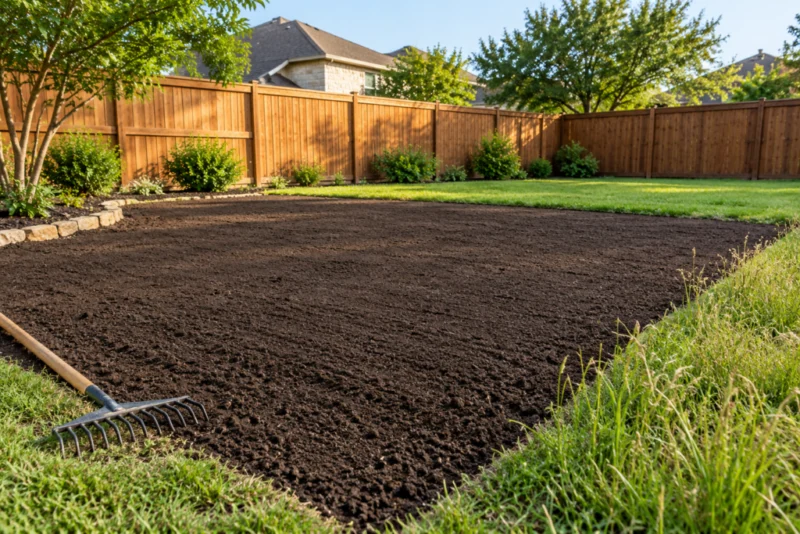
You don’t need to wait for a delivery date to get started. Use the lead-up to installation to measure the lawn, test sprinkler coverage and decide what caused the old grass to fail. For example, a sunny front yard and a shaded side yard may need different solutions.
Our spring preference is a planning recommendation, not a fixed planting deadline. We’ll look at your property before choosing a date. If rain leaves the ground too wet to prepare properly, moving the job is better than forcing it into a calendar window.

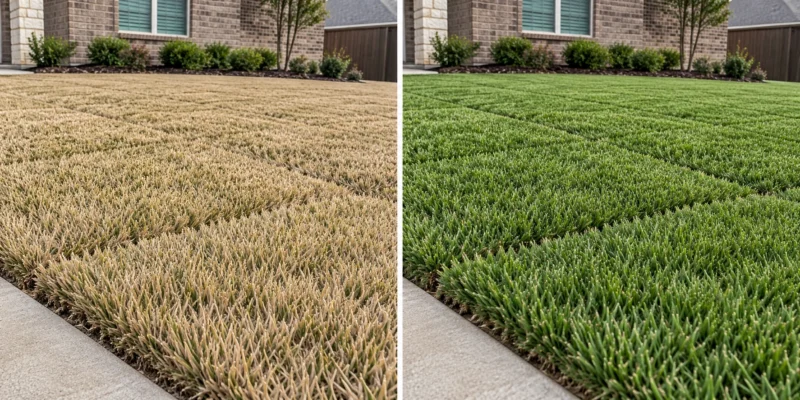
In March, warm-season sod may still be coming out of dormancy. Expect some tan color and slower green-up until sustained warmth supports active growth; assess the variety and current conditions before scheduling.
Summer can work—but arrange the care first
A summer installation needs more than an open spot on the schedule. Tell us if you’ll be away, if a sprinkler zone misses part of the lawn or if watering restrictions could prevent the required care. Those details can change the plan.
Picture a lawn installed just before a family vacation. Even with working sprinklers, someone needs to notice a failed head or an area that isn’t receiving water. Arrange that help before the sod arrives.
Use our sod aftercare guide for care instructions and your city’s watering resources. Confirm current rules and any new-lawn exception with your city; don’t assume an exception is automatic.
Adjust watering to heat, rainfall and actual soil moisture throughout summer. Hot, dry or windy conditions can increase water needs; rainfall may reduce them. Keep the sod and soil moist without leaving them saturated, check sprinkler coverage daily, and follow your city’s current watering rules.
Fall is a decision window, not an unlimited extension
If you’re considering September or October, ask about the remaining time for establishment. The practical question is whether this grass, on this property, has a reasonable opportunity to settle in before colder conditions.
For a backyard remodel, finish heavy work and resolve drainage first. Installing grass early just to hit a preferred month can be wasted effort if equipment still needs to cross the lawn. A later assessment—or waiting—may be the better order of work.
Can you install sod in winter?
Sometimes. Texas A&M’s Dormant Sodding guidance explains that dormant sod faces drying and freeze risks while root activity is reduced. Brown dormant grass also makes it harder to judge survival until spring.
Winter sod still needs moisture checks. Keep it moist rather than saturated, and don’t irrigate in freezing conditions. Dormant installation isn’t a shortcut around irrigation or aftercare.
If you can wait, discuss that option. If bare ground is creating an immediate problem, tell us what needs solving so we can assess timing and scope rather than treating winter installation as routine.
Plan the date around the grass you choose

Palisades Zoysia
Premium feel · sun & partial shade
Plan for suitable active growth. Assess cooler-season requests individually.
Compare this grass →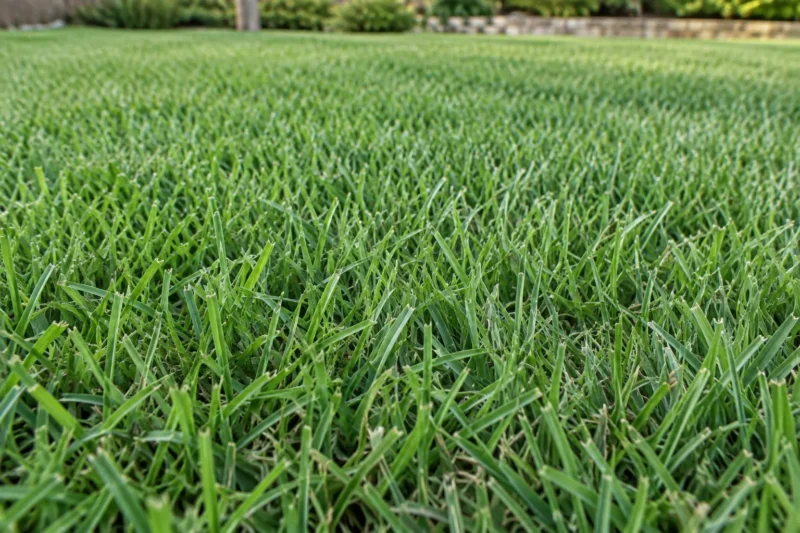

St. Augustine
Leave time for establishment before colder weather.
Compare this grass →Illustrative grass textures; photos aren’t cultivar identification. Zeon, Emerald and Cavalier timing and site-fit notes are included below.
| Grass | Our scheduling approach | What matters besides timing |
|---|---|---|
| Palisades Zoysia | Favor late spring or early summer active growth; assess cooler-season requests individually. | Our featured recommendation for suitable yards, not a grass for every site. |
| Zeon, Emerald & Cavalier Zoysia | Use the same seasonal assessment; a named cultivar doesn’t remove winter establishment risk. | Compare the selected variety’s fit and maintenance needs. |
| Bermuda | Plan around suitable growth conditions and reliable aftercare. | Make sure the site fits the grass before ordering it. |
| St. Augustine | Late spring and early summer deserve particular consideration. | Leave time for establishment before cold weather. |
Texas A&M’s St. Augustinegrass Lawn Management specifically favors late spring and early summer for establishment while avoiding temperature extremes. It also warns about winter injury. We don’t turn that advice into a guaranteed month-by-month rating for every variety.
Palisades is a Plano Landscaping recommendation where it suits the property. It isn’t a blanket Texas A&M endorsement. Compare the options in Best Grass for North Texas: Zoysia vs Bermuda vs St. Augustine.
Choose the grass for the site before choosing an installation date. Compare Tifway 419, TifTuf and Celebration Bermuda; Raleigh and Palmetto St. Augustine; and Palisades, Zeon, Zorro and Emerald Zoysia. Confirm the named variety and availability in your estimate.
Continue planning: compare North Texas grass varieties · review sod installation pricing · plan installation timing · read watering and aftercare guidance · discuss irrigation installation or repairs.
Check the system and the rules before delivery
Use EPA WaterSense’s sprinkler checklist to look for damaged heads, leaks and spray landing on paving. A running controller doesn’t prove that every new sod area receives water. Resolve coverage problems with irrigation repairs or installation before scheduling sod.
Plano publishes seasonal watering guidance. Frisco’s exemption page describes eligibility for new construction or severe erosion control, says approval isn’t guaranteed and asks for requests before purchase or scheduling. Allow its stated five business days for processing; a replacement lawn should not assume it qualifies.
Check your address using the city watering directory. A neighboring city’s exception isn’t permission to change your watering schedule.
Five checks before scheduling sod
- Irrigation: confirm it works across the entire installation area.
- Water movement: address existing drainage problems first.
- Preparation: identify debris, difficult access and major leveling needs.
- Other work: finish projects that require equipment on the lawn.
- Aftercare: decide who will check the grass and follow the care plan.
Our normal preparation includes light grading, a layer of nutrient-enriched compost/topsoil and surface smoothing. More severe grading, additional soil, irrigation repairs and debris removal can add to the scope.
For budgeting, see sod installation costs. Timing advice doesn’t replace a written estimate for your property.
Not sure whether to install now or wait?
Send your city, rough lawn size, photos and the date you have in mind. Let us know about irrigation and other work planned for the yard.
Request a Free Sod EstimateQuestions about sod installation timing
What is the best month to install sod in DFW?
There isn’t one month that wins for every lawn. Start by assessing spring conditions, then consider the grass, weather and care plan. Our calendar is a planning aid, not a guarantee.
Is October too late to lay sod?
Not automatically. Cooler conditions shorten the establishment opportunity, so we assess the grass and current weather before recommending a date.
Can sod be installed in November?
It may be possible as a cooler-season or dormant installation, but that changes the risks and care expectations. Ask for an assessment instead of assuming normal spring results.
Is summer too hot for sod?
Summer isn’t automatically ruled out. Irrigation coverage, the forecast and the ability to monitor the lawn matter. If those aren’t in place, resolve them before scheduling.
How long does new sod take to establish?
There’s no single timeline for every season and property. Follow the installation-specific care instructions and check rooting before increasing use. Don’t assume a green surface means it’s ready for heavy traffic.
Should I choose Palisades just because of the season?
No. Choose grass for the yard first, then plan installation. Our grass comparison guide explains when Palisades is worth considering and when another option may fit better.
Sources and planning notes
Sources checked October 7, 2026. The monthly calendar and project examples are Plano Landscaping planning guidance. They aren’t measured success rates, a forecast or Texas A&M ratings. Illustrative photos do not document a customer project.
- Texas A&M: Turfgrass Establishment for Texas — Table 2 distinguishes sod from seed and sprigs.
- Texas A&M: Dormant Sodding — winter risks and care.
- Texas A&M: St. Augustinegrass Lawn Management — species-specific establishment guidance.
- Texas A&M: Zoysiagrass Lawn Management Guide — 2025 establishment advice and the northern-Texas dormant-sodding warning.
- EPA WaterSense: Sprinkler Spruce-Up — system checks before installation.
- City of Plano: Watering Guidelines and City of Frisco: Watering Exemption Request — check the current rules for your address.
Know someone planning a yard project?