Know someone planning a yard project?
The short answer
A new sod lawn is ready for mowing or regular use when it has attached to the soil, the ground can support the activity and the grass is growing appropriately. A date on a calendar cannot establish those conditions. For both Bermuda and zoysia, the cultivar, sod condition, soil contact, moisture, sunlight and weather affect the handover from installation to normal lawn care.
Do not assume that a comparison of seed, sprigs or plugs tells you how many days a fully sodded lawn will take to root. Those planting methods must grow across exposed ground; sod already provides a connected grass surface. This guide compares the decisions after delivery. Use our North Texas sod installation calendar for the seasonal scheduling question.
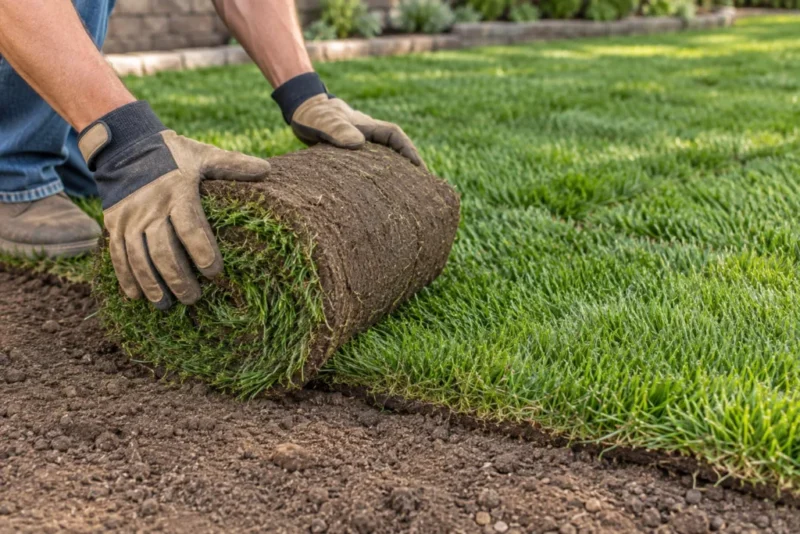
- Contact: the sod pad stays in contact with an evenly prepared surface.
- Attachment: roots resist a gentle check at an accessible edge.
- Support: the soil is firm enough for the intended mower, person or pet.
What the grass comparison can—and cannot—tell you
Bermuda is associated with vigorous growth and good traffic tolerance in appropriate sunny conditions. Zoysia characteristics vary by cultivar; shade tolerance, texture and maintenance needs are not identical across all zoysias. These are useful selection questions, but neither grass name guarantees a particular rooting date after installation.
Compare two quotes using the actual cultivar and site conditions. A healthy Bermuda lawn in full sun is not a fair timing comparison for zoysia installed beside a shaded, wet fence. Texas A&M notes that zoysia generally takes longer to cover an area when sod is not used. Keep that qualification attached to the claim instead of turning it into a universal sod-rooting deadline.
If poor color is the concern, compare the symptoms in our yellow-sod diagnostic guide before changing the care plan.
Check attachment without repeatedly lifting the lawn
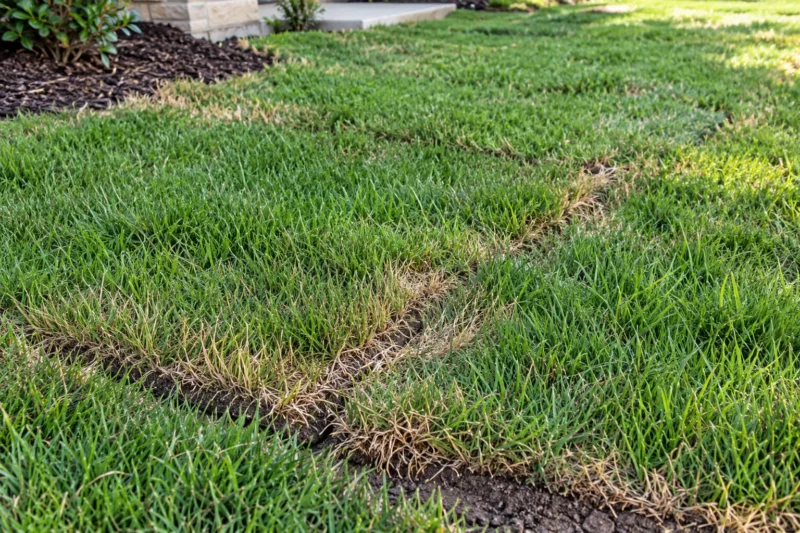
At a still-accessible edge, gently check whether the piece resists lifting. Stop when you feel attachment; do not pull rooted pieces apart to photograph them. Combine this observation with grass growth, pad moisture and the firmness of the ground. One attached corner does not show that the entire yard is ready for normal traffic.
Inspect exposed edges, sunny paving borders and low spots separately. Differences can point to uneven coverage or soil conditions. If the pad stays loose or a patch deteriorates, send the installer overview photos and moisture observations. Repeated lifting or extra fertilizer is not a substitute for finding the cause.

Plan the first mow around the actual lawn
Ask the installer for a mowing height suitable for your exact grass and the condition of the installation. Before mowing, confirm attachment, firm footing and that the lawn needs a cut. A mower can rut saturated soil or shift loose pieces even when the blades look long enough. Avoid using a generic day-after-installation rule as permission to proceed.
Use a suitable, sharp mower and avoid aggressive turns over vulnerable seams. Do not remove a large amount of leaf in one pass to reach an ideal appearance. If the lawn is tall but still loose or soft, discuss the conflict with the installer. The right next step may be correcting moisture or waiting for support, rather than forcing the first cut.
Separate light access from pets, play and repeated traffic
A brief care inspection is different from children playing, a dog repeatedly running the same route or moving heavy outdoor furniture. Introduce use only as attachment and soil support allow. Start with limited access and watch for shifting edges, footprints or ruts. Redirect repeated traffic around narrow gates and the path from the patio to the yard.
Established-lawn wear tolerance does not make newly installed Bermuda immediately ready for heavy activity. Equally, a dense zoysia surface is not proof of deep attachment. Tell the installer about dogs, gatherings and essential access before scheduling so the temporary restrictions are practical for your household.
Moisture management is a site check, not a species timer
Check both the sod pad and the soil beneath at accessible locations. Dry seams can coexist with wet ground, and low areas may remain saturated while a strip beside concrete dries. Correct the coverage or site problem rather than increasing every zone simply because one area looks pale.
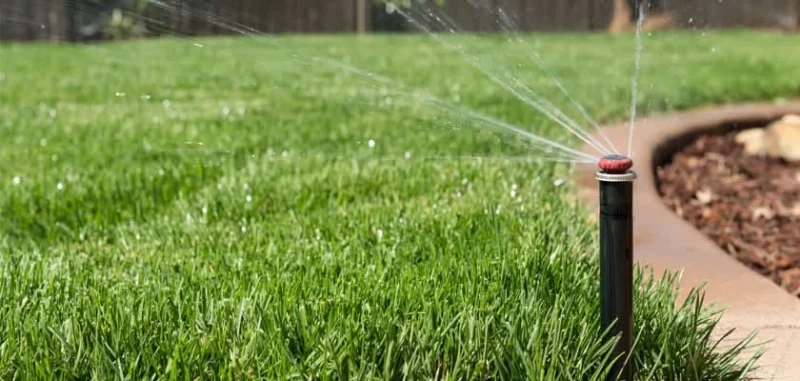
Plano Landscaping requires working irrigation for new sod installation. Confirm the current rules and any new-landscape approval with the provider on your water bill. The care plan must fit those conditions. Our sod aftercare guide explains the full watering and mowing sequence; this comparison is a readiness checklist.
Warm weather, cool weather and green color
Active growth helps you observe how the lawn is responding, while cold conditions can slow the transition. A green surface can still be loose, and dormant-looking grass still needs a suitable moisture plan. Do not treat a warm afternoon or a single green patch as evidence that the whole lawn is ready.
For late-season installation, agree on monitoring and follow-up before delivery. Use the existing seasonal sod guide to decide when to schedule, then use attachment and ground conditions to decide what the installed lawn can support.
If you are changing grass types, plan before removal
Replacing Bermuda with a different grass involves a preparation question as well as an aftercare question. Where needed, treatment of existing grass and persistent weeds is included in our installation price and completed before removal. This can also matter when changing cultivars to reduce regrowth of the original grass.
Pretreatment generally occurs 10–14 days before installation. Persistent Bermuda may require additional treatments and a longer preparation period. The aim is reduced regrowth risk, not complete eradication. Confirm the preparation window before booking delivery; a new grass choice does not make underground runners disappear.
Agree on a practical installation handover
Record the cultivar, installation date, irrigation coverage checks and any areas that need closer observation. Ask what would trigger a call, how to check attachment and what must be true before the first mow or regular pet access. Keep the care instructions and guarantee terms together so the household follows one consistent plan.
If you are comparing Bermuda and zoysia before ordering, use our grass-selection guide for sunlight, wear and maintenance. Then request a written scope for site preparation and a condition-based aftercare handover. A promised rooting date is less useful than knowing what to observe and who to contact if the lawn is not progressing.
Common questions
Does zoysia sod always root more slowly than Bermuda?
Do not use the grass name alone to set a rooting deadline. Planting method, cultivar, site conditions and care matter. A comparison of seed, sprigs or plugs is not a fixed timetable for a sodded lawn.
Can I mow after a fixed number of days?
Check attachment, ground firmness and growth with your installer. A day count alone does not establish that a mower can cross the lawn without shifting sod or rutting the soil.
Can Bermuda be installed during winter?
Dormant installation is possible in appropriate circumstances, but it requires a specific care plan and does not provide immediate active establishment.
When can I use the new lawn?
Base use on attachment, soil firmness and the installer’s guidance. The installation month alone cannot establish readiness for pets, play or mowing.
Sources and further reading
Texas A&M guidance supports the distinction between grass selection, planting method and establishment care. The readiness checks here are planning guidance for discussion with your installer.
Texas A&M AgriLife: Turfgrass Selection for Texas · Texas A&M AgriLife: Turfgrass Establishment for Texas
Before you schedule the handover
Confirm the cultivar, irrigation coverage and who will monitor the new lawn. Agree on attachment checks, first-mow conditions and a practical plan for pets and essential access. Use the aftercare guide alongside the installer’s instructions.
What should I gather before requesting a quote?
Share your intended lawn use, installation window, irrigation condition and any immovable dates. These help plan the work and temporary traffic restrictions.
Know someone planning a yard project?