Know someone planning a yard project?
The short answer
Removing a pool can reduce, preserve or improve a home’s appeal to a particular buyer. It does not produce a predictable percentage change in every Plano neighborhood. The answer depends on what comparable buyers want, the condition of the pool and what replaces it. A well-maintained pool and a damaged, unused pool present different decisions.
| Your situation | Question to investigate | Evidence to request |
|---|---|---|
| Selling soon | Do similar buyers expect a pool? | Recent comparable sales and agent feedback |
| Pool needs major repair | How do repair and removal scopes compare? | Written repair and demolition proposals |
| Staying for years | Which yard will you actually use? | Annual ownership budget and replacement layout |
| Future building planned | What ground preparation will be needed? | Engineer’s plan and removal documentation |
Separate market value from your personal savings
Lower maintenance costs can make removal worthwhile for your household without adding the same amount to a future sale price. Likewise, the money originally spent building a pool is not automatically its current contribution to value. Appraisal guidance emphasizes market evidence and comparable properties rather than a fixed return on the original improvement cost.
If you plan a new surface after removal, understand pool infill compaction testing and engineering reports before choosing the finished use.
Compare three realistic futures for the yard
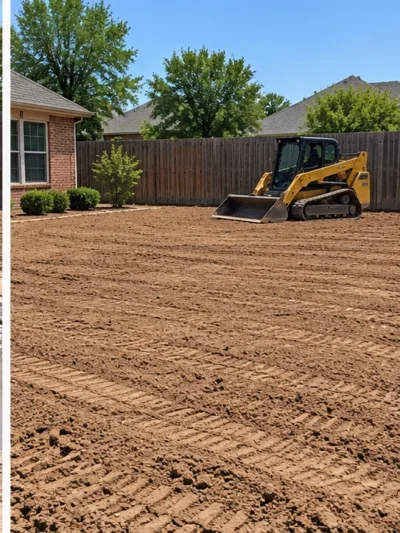
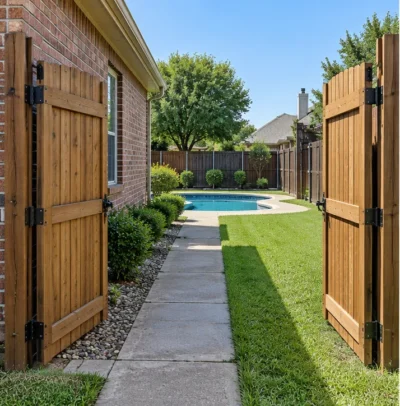
Consider keeping and maintaining the existing pool, repairing or updating it, and removing it with a defined replacement landscape. Compare complete scopes. Removal followed by an unfinished depression is not equivalent to removal followed by usable lawn, drainage and a planned outdoor living area.
Write down how your household would use each option over the period you expect to stay. If the pool is seldom used, reduced upkeep may matter more to you than a hypothetical sale premium. If selling soon, local market evidence becomes more important. Keeping these two objectives separate prevents personal preference from being mistaken for an appraisal conclusion.

Ask for a neighborhood-specific comparison
Have a local agent or appraiser compare homes with similar size, location, condition, lot and amenities. A higher sale price for a house with a pool does not prove the pool caused the difference. Renovated interiors, lot position and sale timing may matter more. Ask how those differences were considered and how much uncertainty remains.
If you plan to list soon, compare the current property, a repaired pool and a documented removal with a finished yard. Include the time and disruption of each option. Avoid treating an online valuation estimate as a pool-removal appraisal.
- KEEP OR REPAIR → immediate repairs, ongoing ownership and expected use.
- REMOVE → permits, demolition, disposal, fill, testing where specified and restoration.
- REPLACE THE EXPERIENCE → lawn, planting, patio or another realistic yard plan.
Ask better questions of comparable sales
Ask a local real estate professional which sales are truly comparable and why. Similar location, lot, condition and overall amenities matter alongside pool presence. Two sale prices cannot isolate the pool’s contribution when one home also has a renovated interior or a more desirable lot.
Request a range of evidence rather than a guaranteed percentage. A buyer who wants a pool may value it differently from a household seeking open lawn. The relevant question is how the likely market for your particular property responds. Revisit that advice if your sale timeline or the local market changes before undertaking the work.
Removal quality affects the handover
Buyers may ask what remains underground, how the area was filled and what records are available. Full and partial removal have different implications; neither should be described as universally suitable for future construction. Preserve permits, inspection records, photographs, disposal information and any geotechnical or compaction documentation.
An attractive surface is only part of the result. Low spots, recurring settlement or unclear removal history can create questions at resale. Discuss applicable disclosure obligations with the professionals handling the transaction, and answer questions accurately rather than marketing the area as unrestricted buildable land.
Make the replacement plan tangible
Sketch the future lawn, planting, patio or play area, including access and drainage. This helps compare removal proposals and prevents the replacement landscape from becoming an unbudgeted afterthought. A patio or future structure also changes the questions to ask about removal, fill and engineering records.
Discuss end use before selecting partial or full removal. Do not assume a low demolition price includes preparation for every later improvement. Ask what restrictions remain, what documentation will be supplied and what a future designer would still need to evaluate. Those records can be useful to a future owner even when no immediate building project is planned.

What if you might add a patio later?
Bring that intention into the demolition discussion now. Lawn restoration and preparation for a structural use are different scopes. A future patio or deck needs its own assessment of loads, support and the former pool area. Our companion guide explains pool infill compaction testing and engineering records.
Request swimming pool removal in Plano with the removal method, fill placement and finished-yard plan clearly stated. Use the estimate to make a household decision, then use local market evidence to assess resale implications.
Organize the property file before resale
Keep permits, scope, inspection records, photographs and available fill or engineering documentation together. Record the location of the former pool and any limitations stated by the professionals involved. Do not describe an area as ready for a building merely because it has been landscaped successfully.
Ask the real estate professional handling a future sale how the work should be documented and disclosed under the applicable requirements. A clear factual record is more useful than a broad marketing claim. It also helps answer buyer questions about what was removed, what remains and what future changes would need separate review.
Common questions
Will removal always lower resale value?
No. The effect depends on the property, pool condition, replacement yard and local buyers. A universal percentage is not dependable.
Do maintenance savings count as added home value?
They are household savings, which are different from a buyer-supported contribution to sale value.
Should I remove the pool just before selling?
Compare local market advice with complete repair and removal proposals before deciding. The answer is specific to your property and timeline.
Does a finished lawn prove the area is buildable?
No. Future construction needs an appropriate assessment of the removal, fill, soil and proposed loads.
Sources and further reading
These references support the technical principles in this guide. Planning examples and checklists are editorial guidance, not a site-specific design.
Fannie Mae: comparable sales · Fannie Mae: neighborhood analysis and over-improvements · Plano residential permits
Before deciding whether to remove the pool
Gather the pool condition, estimated ongoing costs, intended yard use and removal scope. For a resale decision, discuss recent comparable properties with a local real-estate professional; an installation quote cannot predict the sale-price effect.
What should I gather before requesting a quote?
Keep permits, removal records and future-use limits together. Compare retaining, repairing and removing the pool using the same time horizon and property plans.
Know someone planning a yard project?